


After more than 40 years in roofing, one thing is certain: heat always wins when a roof is not prepared for it.
Sunlight does not politely tap on a roof. It shows up every day, unapologetically, and asks the building to deal with it. Traditional dark roofing materials absorb that heat and pass it inside like an unwanted gift.
Reflective roofing systems politely refuse that gift.
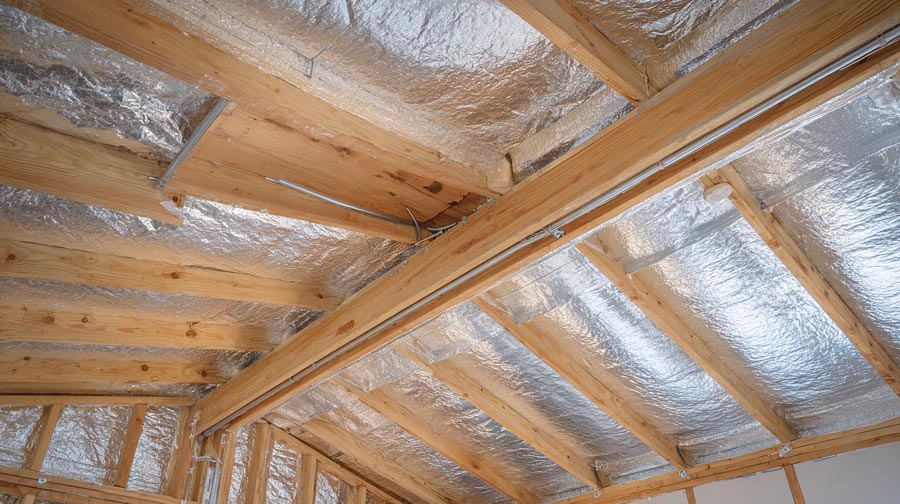
Reflective roofs work on a simple principle. Instead of soaking up solar radiation, they send a large portion of it right back where it came from. Less heat absorbed means less heat transferred into the building. It is not complicated. It is just physics doing a very helpful job.
Anyone who has walked across a dark roof in summer understands this immediately. Anyone who has walked across a reflective surface understands it even faster.
Lower roof surface temperatures lead to more stable interior conditions. Attics stay cooler. Upper floors stop feeling like sauna experiments. Air conditioning systems breathe a little easier. The building feels less angry about the sun.
This does not mean reflective roofing replaces insulation or ventilation. Those systems still matter. Reflective roofing simply stops the heat earlier in the process. It prevents the problem instead of only managing the symptom.
Another benefit shows up quietly over time. Roofing materials last longer when they are not constantly expanding and contracting under extreme temperature swings. Heat ages materials. Reducing heat reduces stress. Reducing stress increases lifespan. Even roofs appreciate a calmer lifestyle.
Energy usage often becomes more predictable. Cooling systems run less frequently. Peak demand decreases. Comfort improves without asking machines to work overtime.
Reflective roofing also helps in places people rarely think about. Storage spaces stay cooler. Mechanical rooms experience less heat load. Equipment suffers less thermal strain. Everything inside the building quietly benefits.
Urban environments gain another advantage. Dark roofs contribute to heat buildup across city landscapes. Reflective surfaces help reduce that effect. One roof alone does not change a city, but many roofs together absolutely influence temperature patterns.
Modern reflective roofing is not limited to one look or one material. Metal, membranes, shingles, and coatings all offer reflective options. A building can stay cool without looking like it belongs on a spaceship.
Retrofit options make reflective roofing accessible without full replacement. Coatings can improve existing roofs when structural conditions allow. That flexibility helps budgets breathe.
Reflective roofing works best in warm seasons, but benefits do not disappear in cooler climates. Even in northern regions, summer heat management remains important. Buildings still absorb sunlight. Reflective materials still reduce that absorption.
Indoor humidity stability improves as well. Less heat entering means less moisture fluctuation. That supports comfort and reduces condensation concerns.
Maintenance remains familiar. Reflective roofs do not demand special treatment. They simply ask to be kept clean and inspected like any other roof that wants to perform well.
Reflective roofing also pairs well with solar installations. Cooler roof surfaces support panel efficiency and reduce heat stress beneath systems.
Industrial buildings often see improved working conditions. Warehouses, production areas, and upper-level spaces feel more comfortable when the roof is not turning into a radiant heater.
Residential homes experience attic temperature improvements that protect stored items and reduce structural stress.
Schools benefit through classroom comfort. Hospitals benefit through consistent interior environments. Office buildings benefit through happier thermostats.
Another quiet benefit is resilience. Lower thermal stress means fewer cracks, fewer fastener issues, and fewer long-term fatigue problems. Roofs appreciate consistency almost as much as people do.
Reflective roofing is not a magic trick. It does not solve every building problem. But it solves a very specific and very important one: unnecessary heat absorption.
Over the years, many building owners have discovered that cooling begins long before air conditioning ever turns on. It begins at the roof.
The financial impact varies by building type, size, and usage, but the operational impact is consistent. Less heat in. Less stress inside.
Roofing decisions influence building performance for decades. A roof is not just weather protection. It is part of the building’s climate control strategy whether anyone planned it that way or not.
Reflective roofing systems simply acknowledge that reality.
Some people think reflective roofing is about being trendy or fashionable. It is not. It is about being practical.
The roof does not need to be dramatic. It needs to do its job quietly and reliably.
Reflective roofing does exactly that.
It stands between the building and the sun and politely says, “No thank you.”
And in roofing, sometimes that is the most important sentence a roof can say.