


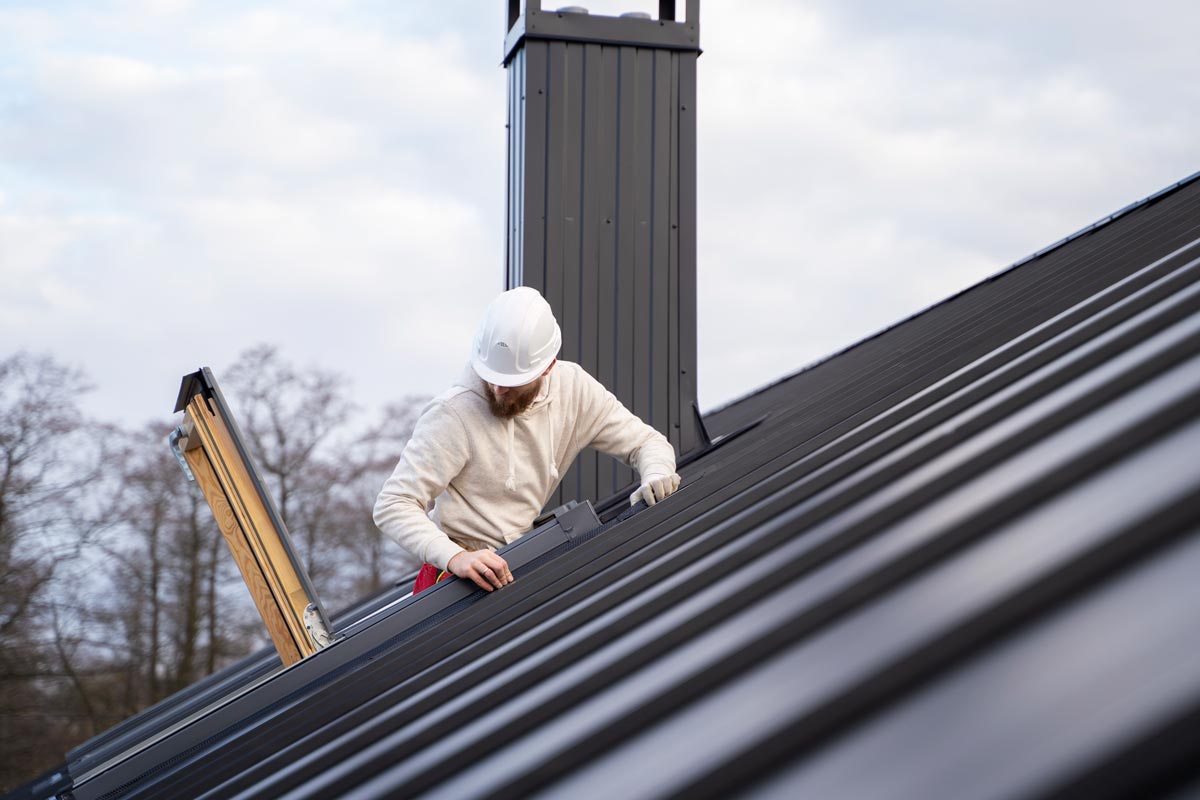
After more than 40 years of roofing, I’ve learned one thing: roofs have personalities. Some are moody, some are stubborn, and a few are downright high-maintenance. Over the decades, I’ve patched, replaced, and argued with just about every type of roof system you can imagine. But when it comes to big projects—large commercial spaces, industrial facilities, or sprawling institutional buildings—PVC roof membranes keep proving they’re the steady, dependable type. No drama, no fuss, just solid performance.
Let’s break down why PVC membranes have become such a dependable choice for large-scale construction.
Durability That Can Take a Beating
Commercial roofs are not quiet, peaceful places. They’re home to HVAC units, foot traffic from maintenance crews, and sometimes even the occasional bird that thinks it owns the place. A roof material has to withstand all that activity without giving up. PVC membranes are reinforced in a way that makes them tough against punctures, tears, and chemical exposure.
In fact, one of the places where PVC really shines is on buildings that deal with grease, oils, or industrial byproducts venting onto the roof. Other materials may struggle under those conditions, but PVC holds its ground. For large-scale projects, durability isn’t optional—it’s a necessity.
Weather Resilience Without the Drama
If you live in Wisconsin, you know the weather has a mind of its own. Summers bring blistering heat, winters remind us why we own snow shovels, and spring can’t make up its mind about rain or sunshine. A roofing system needs to flex and adapt, not crack under pressure.
PVC membranes expand and contract with temperature swings, which means fewer headaches over time. Instead of splitting or warping, the membrane stays intact. In climates where the thermometer can swing 40 degrees in a single week, this kind of flexibility is worth its weight in gold—or at least worth a few less calls to the roofing crew.
Energy Efficiency That Makes Sense
One of the underappreciated benefits of PVC membranes is their reflective surface. A white PVC roof reflects sunlight, which can reduce cooling demands in summer. That’s especially helpful on big buildings where the air conditioning bill already looks like a small mortgage payment.
Of course, energy efficiency isn’t just about dollars saved. Reflective roofs help reduce the urban heat island effect, and they’re often factored into green building standards. In other words, PVC doesn’t just work for the building owner—it works for the community too.
Installation Options That Fit the Project
One thing I appreciate about PVC is that it doesn’t force every project into the same box. These membranes can be installed in several ways—fully adhered, mechanically fastened, or ballasted. Each method has its place depending on the structure, the climate, and the project goals.
When you’ve been in roofing as long as I have, you learn that every building comes with quirks. Some are shaped like they were designed by a geometry teacher with too much free time, and others are straightforward boxes. Having options with PVC means there’s always a method that fits.
Long-Term Value Without Hidden Surprises
Nobody likes surprise costs—especially not building owners managing large facilities. PVC membranes, with their durability and resilience, tend to reduce the long-term expenses that come from constant repairs or premature replacements.
Think of it this way: you can buy a bargain pair of boots that fall apart after one winter, or you can invest in a solid pair that keeps your feet dry for years. PVC is that solid pair of boots. It might not be flashy, but it does the job season after season without complaining.
Why It Works for Large-Scale Projects
Big projects come with big expectations. A roof on a warehouse, hospital, or school isn’t just a cover—it’s part of a system that protects people, equipment, and daily operations. When the roof fails, everything underneath feels the impact. That’s why roofing choices at this scale matter so much.
PVC membranes deliver a balance of toughness, adaptability, and long-term reliability that makes them well-suited to these projects. After decades in the industry, I’ve seen plenty of roofing trends come and go. Some are like fashion statements—flashy but short-lived. PVC, on the other hand, has proven it can stand the test of time.
The Roofing Veteran’s Perspective
After four decades on rooftops, I’ve learned that roofing isn’t about chasing the newest gimmick. It’s about finding materials and systems that consistently do the job. PVC membranes may not be glamorous, but roofs don’t need to win beauty contests—they need to keep water out, handle the weather, and last as long as the building beneath them.
And if a material can make a roofer’s life easier along the way? Well, that’s just icing on the cake. Or in this case, sealant on the seams.
Closing Thoughts
Large-scale construction projects require roofing systems that deliver steady performance, year after year. PVC roof membranes have proven themselves by doing exactly that. They’re durable, adaptable, energy-efficient, and versatile in installation. Most importantly, they help ensure that the roof isn’t the weak link in a complex building system.
After 40 years in roofing, I’ve come to appreciate solutions that are reliable without being high-maintenance. PVC has earned that place in my toolbox of trusted materials. And if it can keep me off the roof for one less emergency call in the middle of January, well, I’d say that’s a roof with personality I can live with.