


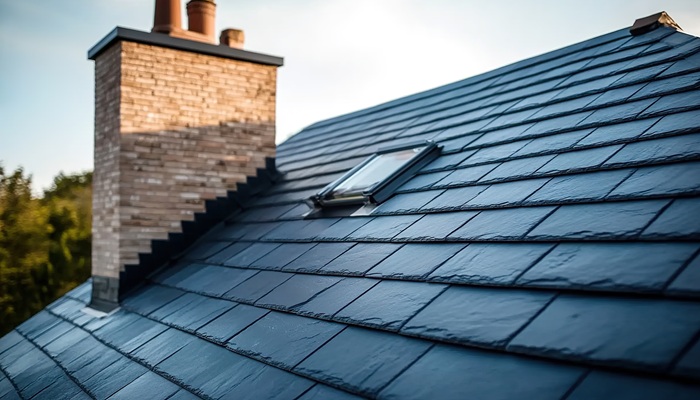
After more than four decades in the roofing industry, a simple truth becomes very clear. A roof does far more than keep rain out of a house. A roof also needs to breathe.
That idea might sound a little strange at first. Roofs do not have lungs, after all. But proper airflow inside a roof system plays a major role in how well that roof performs over the years. Balanced roof ventilation helps manage temperature and moisture inside attic spaces, and those two factors influence the life of nearly every component in the roof structure.
Most people think about shingles when thinking about roofing, but shingles are only one layer in a much larger system. Beneath those shingles sit roof decking, underlayment, rafters, insulation, and the attic space itself. Each of those layers interacts with air moving through the structure.
Ventilation helps keep that environment stable.
Balanced roof ventilation usually involves two key elements: intake vents and exhaust vents. Intake vents are typically located near the lower edge of the roof, often in the soffits along the eaves. These openings allow cooler outside air to enter the attic space.
Exhaust vents sit higher on the roof, often along the ridge line at the peak. Warm air naturally rises, so those vents allow heated air to escape from the attic. When intake and exhaust vents work together, air flows steadily through the attic space.
That steady airflow helps regulate temperature inside the roof structure.
During summer months, sunlight beating down on a roof can cause attic temperatures to climb dramatically. Without ventilation, that heat becomes trapped beneath the roof deck. The attic begins to resemble something closer to a slow cooker than a storage space.
Ventilation allows that heat to escape through exhaust vents while cooler air enters through the soffits. This circulation helps reduce the buildup of extreme temperatures inside the attic.
Roofing materials benefit from this temperature balance. Excessive heat can accelerate the aging of shingles and other roofing components. By allowing hot air to exit the attic, ventilation helps moderate the conditions affecting the roof system.
Winter presents a different set of challenges.
In colder climates like central Wisconsin, warm air from inside a home often rises into the attic. When that warm air meets the colder surfaces of the roof deck, condensation can form. Moisture may collect on wood framing, insulation, and other materials inside the attic.
Moisture inside a roof system rarely leads to good outcomes. Damp insulation loses effectiveness, and prolonged moisture exposure can eventually affect wood structures.
Ventilation helps remove that warm, humid air before condensation has a chance to form. A steady exchange of air reduces the buildup of moisture inside the attic.
Ice dams represent another issue often connected to ventilation problems. Ice dams form when heat escaping from the attic melts snow on the upper portions of a roof. The melted snow runs downward toward the colder edges of the roof where it refreezes.
Over time, that cycle can create a ridge of ice that traps water behind it. When water becomes trapped beneath shingles, the chance of leaks increases.
Balanced ventilation helps maintain more consistent roof temperatures. When attic temperatures remain closer to outdoor conditions, snow on the roof tends to melt more evenly rather than creating those freeze-and-melt cycles that lead to ice dams.
Ventilation also supports the long-term condition of roof decking. Wood decking beneath shingles expands and contracts as temperature and moisture levels change. By maintaining stable airflow inside the attic, ventilation helps limit extreme fluctuations that can stress the structure over time.
Of course, ventilation works best when the system remains balanced.
A roof with only exhaust vents but no intake vents will struggle to move air effectively. Similarly, blocked soffit vents can prevent fresh air from entering the attic. Insulation pushed too tightly against the eaves can sometimes block intake airflow as well.
A balanced system allows cooler air to enter at the lower portion of the roof and warmer air to exit at the top. This natural movement creates continuous airflow across the entire attic space.
Roof design also plays a role in ventilation planning. Roof slope, attic size, insulation placement, and framing layout all influence how air circulates inside the structure. Proper vent placement ensures that airflow reaches all areas of the attic.
Over the years, many homeowners have been surprised to learn that ventilation issues often appear long before shingles show visible wear. A roof can look perfectly fine from the outside while hidden moisture or heat buildup slowly affects the structure beneath.
Ventilation helps prevent those hidden problems.
Building codes now include guidelines for attic ventilation based on attic square footage. These standards help ensure that roof systems include enough airflow to manage temperature and moisture levels.
Different types of vents can be used depending on the roof structure. Ridge vents run along the peak of the roof and allow warm air to escape at the highest point. Soffit vents provide intake airflow near the eaves. Other options include gable vents, roof louvers, or mechanical attic fans.
Each of these components contributes to the larger goal of maintaining steady airflow through the attic.
After forty years working on roofs, one lesson continues to repeat itself. Roofing problems often begin quietly, long before anyone notices a leak or missing shingle.
Balanced ventilation helps reduce the conditions that lead to those problems.
A roof that breathes properly handles temperature swings more comfortably. Moisture has a path to escape. Materials remain under less stress as the seasons change.
In the end, roof ventilation might not be the most exciting part of a roofing system. Shingles usually get all the attention.
But the quiet work happening in the attic often plays one of the biggest roles in how long that roof continues doing its job.