


After more than four decades in roofing, one lesson keeps repeating itself no matter how much technology changes. Roofs almost never fail loudly at first. They fail politely. Quietly. Patiently. And then one day, usually during a rainstorm that wasn’t even on the forecast, the building decides to let everyone know something has been wrong for a while.
Structural damage tied to roofing problems doesn’t start with dramatic collapse. It starts with a small opening that water finds. Water is persistent, creative, and completely unimpressed by good intentions. Once it gets past the roof surface, it begins working on everything underneath… decking, framing, insulation, and eventually anything else in its path.
Most roofing problems begin at the usual suspects. Flashing loosens. Seams separate. Fasteners back out. Drains clog. These areas take the most stress from temperature changes, wind movement, and water flow. They are also the spots that get ignored because they don’t look dramatic from the ground. Unfortunately, water doesn’t need drama. It just needs access.
Professional roofing repair is less about patching what looks bad and more about understanding why it happened in the first place. A surface-level fix might stop a drip temporarily, but if the underlying issue isn’t addressed, the roof will find another way to leak. Roofing systems are interconnected. Fixing one part without considering the rest usually just moves the problem.
Moisture is the real enemy. Once water reaches structural components, damage accelerates. Wood weakens. Metal corrodes. Insulation loses effectiveness. Mold finds opportunity. At that point, what could have been a manageable repair becomes a much larger project involving areas that were never supposed to get wet in the first place.
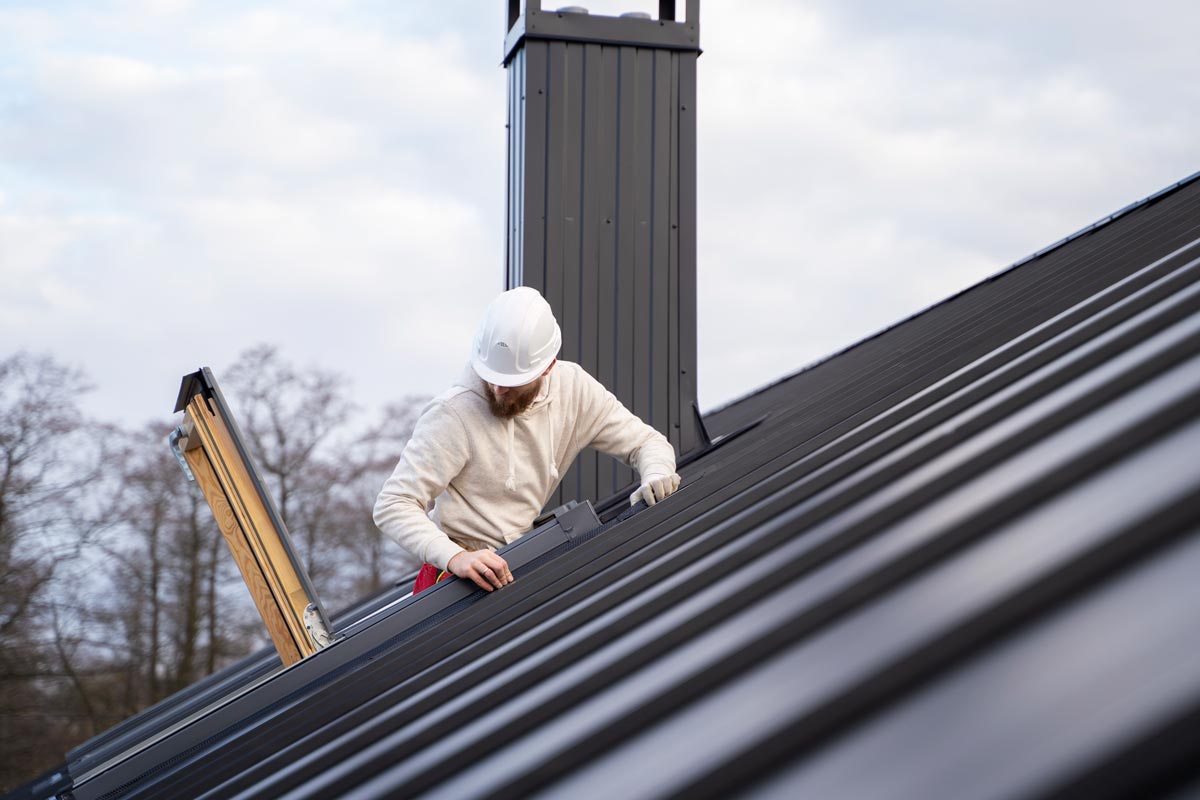
Flashing repair is one of the most common and important professional techniques. Roof penetrations, wall transitions, skylights, and mechanical units all interrupt the roof surface. These areas move differently than flat sections and take more abuse. Proper flashing repair restores continuity so water stays where it belongs… outside.
Drainage issues cause more damage than many people realize. Water that sits on a roof adds weight and pressure. Over time, it breaks down materials faster and finds weaknesses. Professional repairs often include correcting slope, clearing drainage paths, and reinforcing areas that see repeated water exposure. Water that keeps moving causes fewer problems than water that lingers.
Material compatibility matters more than it gets credit for. Roofing systems are designed as systems for a reason. Mixing materials that don’t belong together can create new failure points. Professional repairs account for how materials expand, contract, and interact over time. A repair that looks fine today but fails next season didn’t really solve anything.
Weather events don’t usually create roofing problems from scratch. They expose problems that were already waiting. Wind lifts edges that were barely holding on. Freeze-thaw cycles widen small gaps. Hail finds weak spots. Post-event inspections are critical because damage is not always obvious, but it’s often there.
Interior signs should never be ignored. Ceiling stains, unexplained humidity, and temperature changes are early warnings. By the time water shows up inside, it has already traveled through multiple layers. Professional repair approaches consider both exterior and interior clues to understand the full picture.
Preventive repair is where real value shows up. Addressing small issues before water reaches structural components saves time, money, and stress. Emergency repairs always cost more, take longer, and happen at inconvenient times. Planned repairs are calmer, more controlled, and far less disruptive.
Documentation plays a role as well. Inspection reports and repair records help track changes over time. Patterns become visible. Decisions become informed. That documentation can matter for insurance, warranties, and long-term planning. Guesswork tends to get expensive.
As roofs age, they change. Materials stiffen. Movement increases. Minor issues become more frequent. Professional repair techniques adapt to these changes rather than fighting them. The goal is not to make a roof new again. The goal is to keep it doing its job without letting small problems turn into structural ones.
Roofing is not glamorous work. When it’s done right, nobody notices. But when it’s ignored, it makes itself the center of attention very quickly. And usually at the worst possible time.
After all these years, the pattern is clear. Buildings that receive timely, professional roof repairs tend to avoid major structural damage. Buildings that wait tend to learn expensive lessons. Roofs don’t ask for much. A little attention goes a long way. Ignore them long enough, and they’ll eventually remind everyone why they matter.