


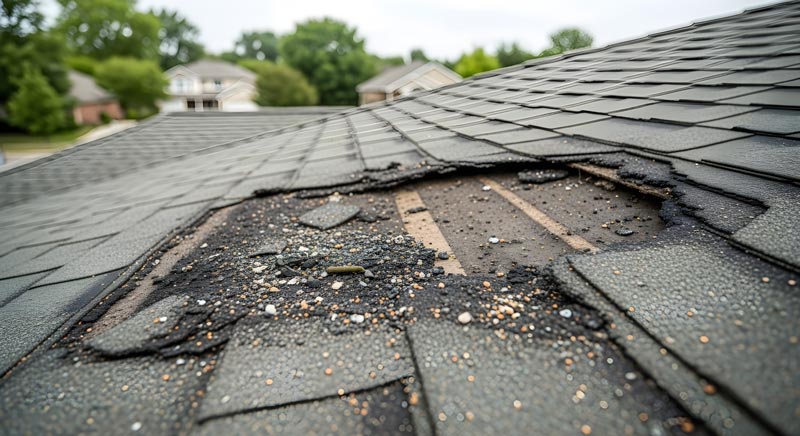
After more than forty years in roofing, one thing has become painfully obvious: roofs are excellent at telling on themselves. The problem is that most people don’t speak “roof” fluently. They see a small stain, slap on a patch, and hope the problem goes back to wherever roof problems go when ignored. Sometimes that works. Often it doesn’t.
A patch is exactly what it sounds like. A temporary fix for a localized issue. When a roof has reached the point where patches are becoming routine instead of rare, that’s usually the roof waving a white flag.
Recurring leaks are the first and most common clue. A single leak caused by a loose shingle or damaged flashing can often be repaired effectively. When the same leak comes back after multiple repairs, the issue is usually deeper than the surface. Water has a talent for traveling. It can enter in one place and show up somewhere else entirely. Repatching the same spot over and over is like repainting a ceiling without fixing the plumbing above it.
Shingle condition tells another part of the story. Curling, cracking, blistering, or widespread granule loss across large sections of the roof points to material fatigue. Asphalt shingles lose flexibility as they age. Once that happens, wind, rain, and temperature swings start winning more often. Replacing a handful of shingles doesn’t restore flexibility to the rest of the roof. It just delays the next phone call.
Granules in the gutters are another sign that tends to get ignored. Granules aren’t decoration. They protect shingles from ultraviolet exposure and physical wear. A little loss over time is normal. A lot of loss is not. When gutters start collecting enough granules to look like a sandbox, the roof is telling a very specific story about its remaining lifespan.
Sagging areas are a more serious warning. Rooflines should be straight. Dips, waves, or soft spots often indicate moisture damage to the decking underneath. This kind of damage doesn’t happen overnight. It usually means water has been getting where it shouldn’t for a long time. Patching shingles on top of compromised decking is like putting new tires on a truck with a cracked frame.
Interior signs often show up before exterior damage looks dramatic. Ceiling stains, peeling paint, warped trim, or musty smells in attic spaces suggest moisture intrusion. Even when active dripping isn’t visible, moisture can still be present. Mold and mildew don’t need a waterfall. They need time and humidity. A roof that allows moisture to linger is no longer doing its primary job.
Flashing problems also tend to multiply toward the end of a roof’s useful life. Flashing around chimneys, vents, skylights, and roof transitions relies on surrounding materials for stability. When multiple flashing areas start failing around the same time, the issue is rarely just the metal. It’s usually the aging materials around it.
Energy efficiency changes can also point back to the roof. Drafty rooms, uneven temperatures, or increased condensation may indicate compromised insulation or ventilation tied to roofing deterioration. Roof systems work together with insulation and airflow. When one component starts failing, others often follow.
Age matters, whether anyone likes it or not. Roofing materials are engineered with a service life in mind. Maintenance can extend that life, but it can’t make materials immune to time. Roofs approaching or exceeding their expected lifespan are far more likely to experience systemic issues rather than isolated damage. At that point, patching becomes more about buying time than solving problems.
Weather accelerates everything. In Wisconsin, freeze-thaw cycles, heavy snow loads, wind, and hail all take their toll. A roof that’s been through decades of seasonal stress may look fine from the ground while hiding widespread fatigue up close. Post-storm inspections often reveal damage patterns that make repairs less effective than replacement.
Cost is another factor that deserves honest consideration. A patch usually costs less than a replacement. Multiple patches over time, interior repairs, and energy loss often cost more in the long run. When repair expenses start stacking up, the math changes. At some point, replacement becomes the more predictable option.
Building use also plays a role. Residential and commercial roofs face different demands. Ventilation needs, load requirements, and interior conditions all affect how a roof ages. A solution that worked years ago may no longer meet current needs once materials begin breaking down.
Knowing when a roof needs more than a patch isn’t about panic or guesswork. It’s about patterns. One problem is a repair. Several related problems appearing together usually point to system failure. Roofs rarely fail silently. They give plenty of warnings along the way.
The goal isn’t to replace a roof at the first sign of trouble. The goal is to recognize when repairs stop restoring reliability. A roof’s job is to protect everything underneath it. When it can no longer do that consistently, no amount of patching will change the outcome.
In roofing, boring is good. A roof that doesn’t get talked about is usually doing its job. When a roof becomes a regular topic of conversation, it’s time to listen.